Visual clarity is one of the most important design priorities in modern slot games because it directly shapes how players perceive, understand, and interact with the game. Unlike many other types of games that rely on complex mechanics or deep narratives, slot games are built around simplicity, speed, and instant recognition. Players often make decisions in seconds, so everything on the screen must communicate meaning quickly and effectively. Clear visuals reduce confusion, support engagement, and help maintain a smooth, enjoyable experience without overwhelming the player.
One of the primary reasons slot games emphasize visual clarity is cognitive load. When players look at the screen, they are processing symbols, paylines, animations, and feedback simultaneously. If the visual design is cluttered, inconsistent, or unclear, the brain must work harder to interpret what is happening. This extra effort can cause fatigue and frustration, especially during long sessions. Clean layouts, distinct symbols, and well-organized interfaces allow players to understand outcomes immediately, which keeps the experience effortless and fluid.
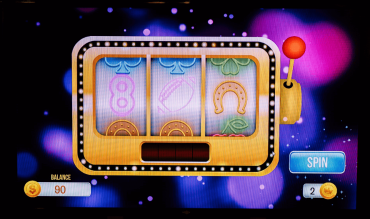
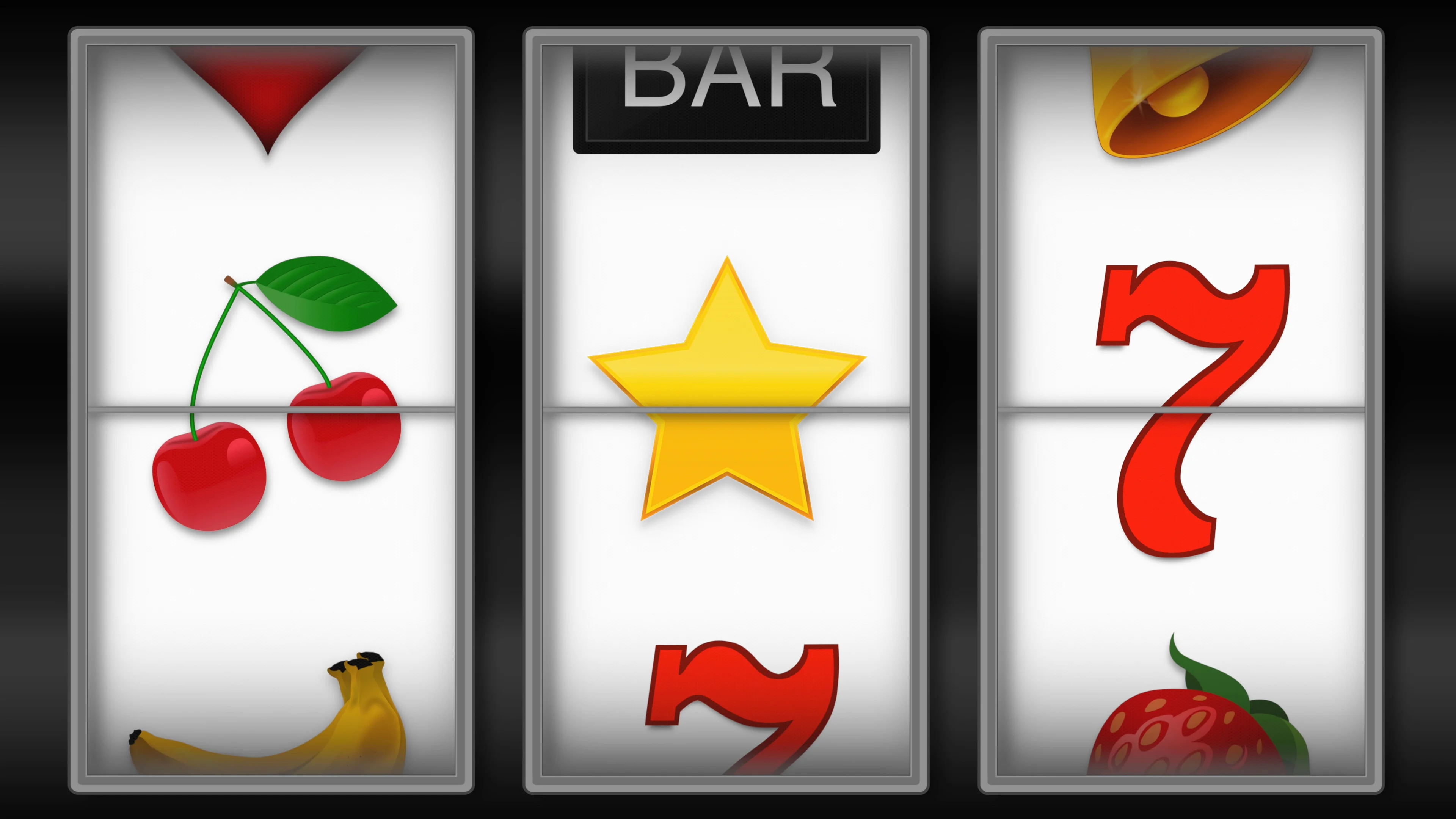
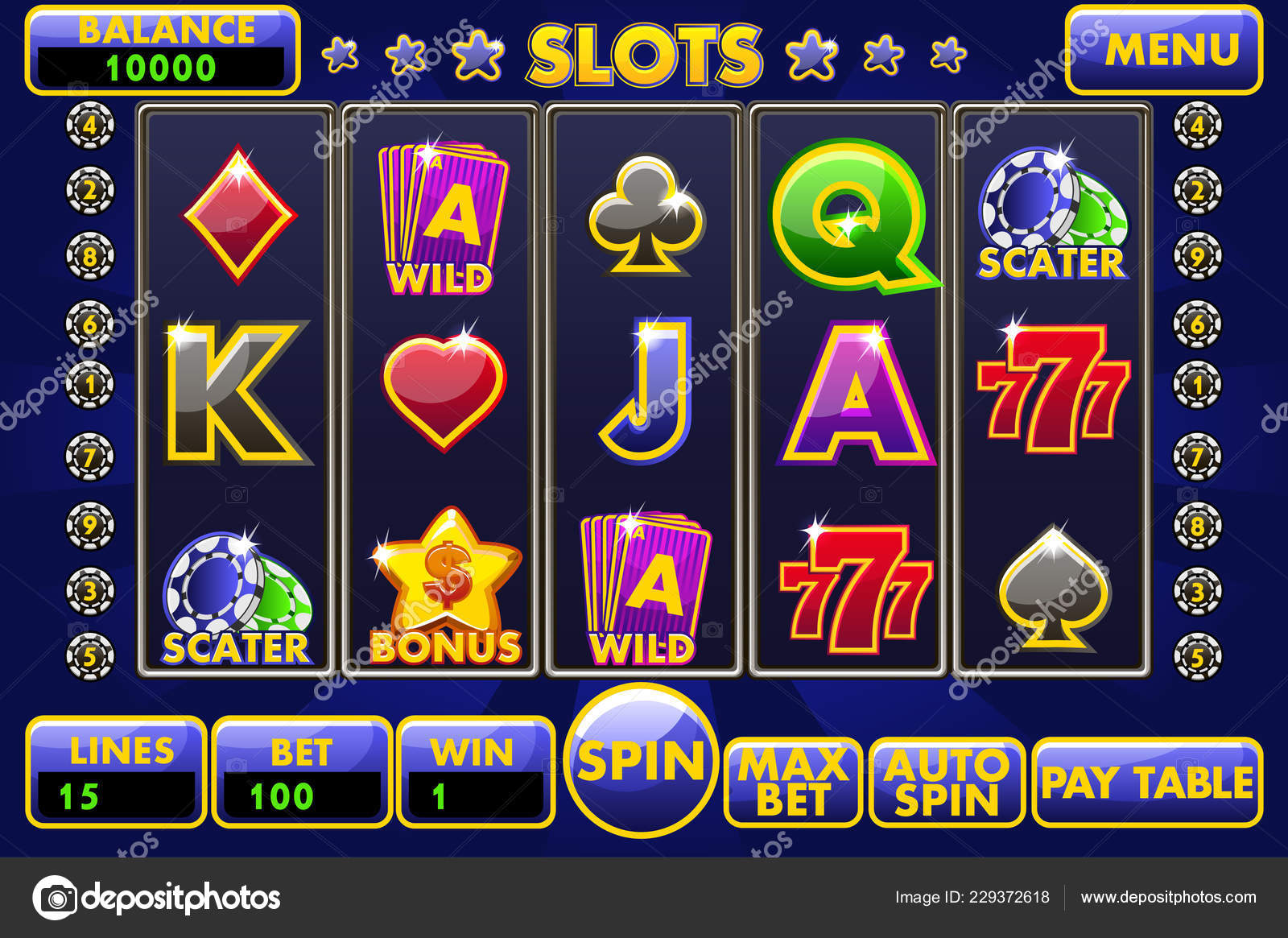
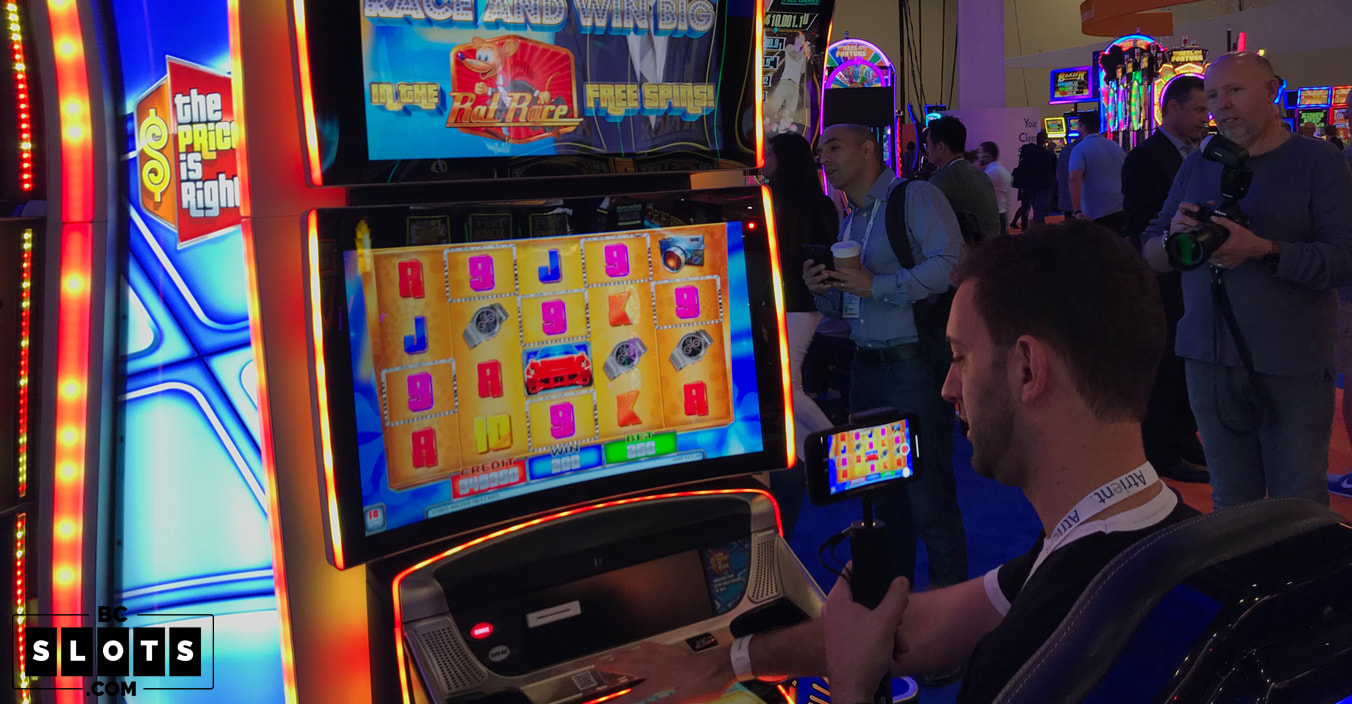
Symbol recognition plays a major role in this process. Slot symbols must be instantly distinguishable from one another, even during fast spins or bright animations. Designers often use bold shapes, contrasting colors, and consistent icon styles to make each symbol memorable. If symbols are too similar or visually noisy, players may struggle to identify winning combinations, reducing satisfaction. Clear symbols ensure that wins feel obvious and rewarding, which strengthens the connection between the player and the game.
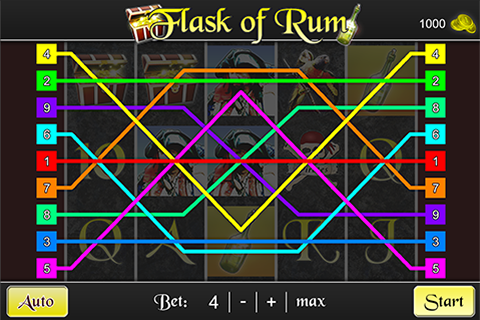
Another factor is speed of play. Slot games are designed for rapid repetition, meaning players may see dozens or even hundreds of spins in a short period. Visual clarity ensures that each spin’s result is communicated instantly without requiring interpretation. Winning lines are typically highlighted with bright lines, glowing frames, or simple motion effects that guide the player’s eye directly to the result. This reduces ambiguity and keeps the pace consistent, preventing interruptions in gameplay flow.
Feedback is also closely tied to visual clarity. Players rely on visual signals to understand whether they have won, triggered a feature, or activated a bonus. Flashing lights, coin bursts, expanding symbols, and color changes are commonly used to deliver this information. However, effective design avoids excessive or chaotic effects. Clear feedback focuses attention on the most important information, making rewards feel meaningful without overwhelming the senses. The goal is communication, not distraction.
Accessibility is another important reason slot games prioritize clarity. Players come from diverse age groups, visual abilities, and gaming backgrounds. High contrast, readable text, and recognizable symbols make the game easier to use for everyone, including those with mild visual impairments. Simple and clear interfaces reduce the barrier to entry, allowing new players to understand the game quickly without needing detailed instructions. Accessibility improves usability, which helps games reach a broader audience.
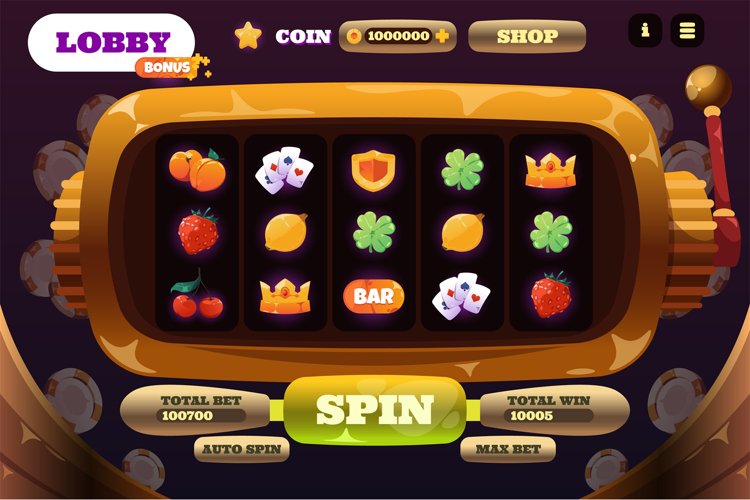
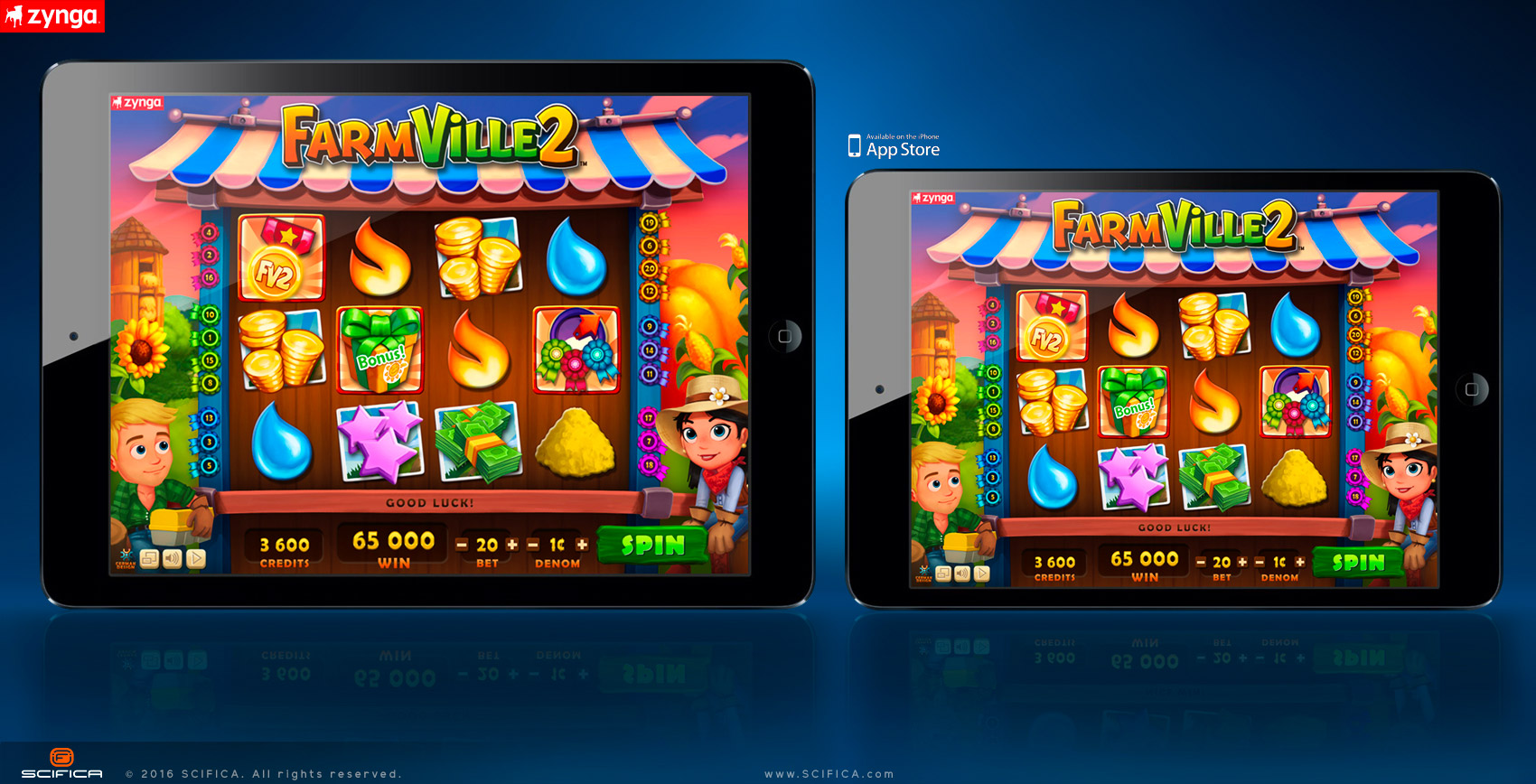
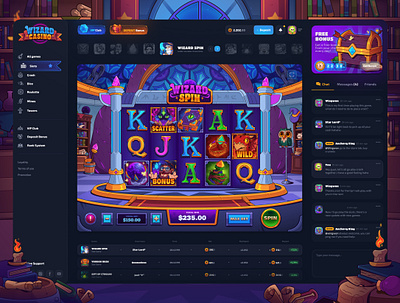
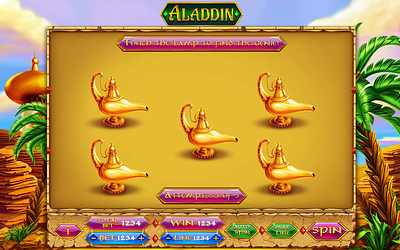
Visual hierarchy is a key design principle that supports clarity. In well-designed slot games, the most important elements—such as reels, symbols, and win indicators—are visually dominant, while secondary information like balance, bet size, and menus is visible but not distracting. This structured layout guides the player’s attention naturally, reducing confusion and improving comprehension. When hierarchy is weak or inconsistent, players may struggle to find essential information, leading to frustration and disengagement.
Consistency also strengthens visual clarity. Colors, symbol styles, animation speeds, and interface elements must follow predictable patterns throughout the game. When visual rules remain stable, players learn to recognize meaning quickly. For example, a specific color may always represent wins, while another indicates bonus features. Repetition builds familiarity, and familiarity reduces mental effort. Consistency turns visual design into an intuitive language that players understand without conscious thought.
Emotional engagement is another benefit of clear visuals. When players can instantly recognize wins and understand game events, the emotional response becomes stronger and more immediate. Confusing visuals weaken excitement because the player hesitates, unsure of what happened. Clear presentation amplifies anticipation, surprise, and satisfaction, making each moment more impactful. Emotional clarity supports immersion, which is a key factor in maintaining player interest over time.
Visual clarity also helps prevent misinterpretation. Slot games involve chance, and outcomes must be communicated transparently. If visuals are misleading or unclear, players may misunderstand results, which can damage trust in the game. Clear symbol alignment, obvious win highlights, and accurate animations ensure that outcomes are perceived correctly. Transparency builds confidence and contributes to a fair, understandable experience.
Modern slot games often include complex features such as cascading reels, expanding wilds, multipliers, and bonus rounds. As features grow more sophisticated, visual clarity becomes even more critical. Designers must present additional mechanics without cluttering the screen. This requires careful balance between visual excitement and readability. Smooth transitions, clear labels, and simple animations help players follow feature progression without confusion.
Another important aspect is screen size adaptability. Many players use mobile devices, tablets, or smaller screens where space is limited. Visual clarity ensures that symbols, text, and feedback remain readable regardless of screen dimensions. Scalable design, simplified layouts, and strong contrast help maintain usability across platforms. Without clear visuals, smaller displays could make gameplay difficult or uncomfortable.
Color psychology also contributes to clarity. Designers choose color schemes that separate background, symbols, and interactive elements effectively. High contrast between foreground and background improves visibility, while controlled color use prevents overload. Too many bright colors can cause visual noise, but carefully selected palettes enhance recognition and focus. Color becomes both a functional and emotional tool in guiding the player’s experience.
Finally, visual clarity supports long-term engagement. Slot games are repetitive by nature, and players often return for extended sessions. Clear visuals reduce fatigue, maintain comfort, and keep the experience enjoyable over time. When players do not need to struggle to interpret what they see, they can remain immersed in the rhythm of the game. Simplicity, readability, and structured design work together to create a seamless interaction between player and machine.
In essence, slot games focus on visual clarity because it improves understanding, enhances emotional response, supports accessibility, and maintains smooth gameplay. Clear visuals transform complex information into immediate meaning, allowing players to stay engaged without effort. Through thoughtful use of contrast, hierarchy, consistency, and feedback, designers ensure that every spin communicates its outcome instantly and effectively, creating an experience that feels intuitive, satisfying, and easy to follow.