
Slot machines are among the most captivating and psychologically engaging forms of gambling, largely because of the careful design decisions that influence player behavior. The physical layout, visual appeal, auditory cues, and reward mechanisms all converge to shape how individuals engage with these games, often without conscious awareness. Slot designers leverage an understanding of human psychology, behavioral economics, and sensory stimulation to create experiences that maintain player attention and encourage prolonged engagement. At the core of this influence is the interplay between anticipation, reward, and perception of control, which fundamentally guides how players make betting decisions.
One of the first aspects of slot design that affects behavior is the visual environment. Bright, colorful symbols, dynamic animations, and thematic graphics not only capture attention but also create emotional resonance. Themes often align with popular culture, mythology, or adventure narratives, providing players with a sense of escapism. This immersive storytelling can lead players to associate positive emotions with gameplay, reinforcing continued participation. Furthermore, designers carefully choose symbol arrangements and payline structures to create frequent small wins. These “near-misses” or partial successes trigger a release of dopamine in the brain, which mimics the satisfaction of a real win. Even though the monetary reward may be minimal or nonexistent, the psychological reward keeps players invested.
Auditory cues play a similarly critical role. Sounds of spinning reels, celebratory chimes, or crowd-like cheers are meticulously calibrated to create excitement and a sense of achievement. Research has shown that audio feedback can increase arousal and prolong engagement, often enhancing the perceived value of a win. The rhythm and pacing of sound effects are not arbitrary; they are designed to align with visual stimuli to maximize attention and emotional response. By pairing audiovisual cues with intermittent reinforcement, slot machines exploit the same psychological principles used in behavioral conditioning, subtly encouraging players to continue betting.
Another crucial factor in shaping betting behavior is the pacing of gameplay. Modern slot machines allow players to control the speed of spins, bet size, and even autoplay options. By giving players the illusion of agency, designers tap into the human desire for control. However, the system is structured so that increased speed or larger bets can result in faster expenditure of funds, often without players noticing the cumulative effect. The variable ratio reinforcement schedule—a hallmark of slot machine design—ensures that wins occur unpredictably, creating a compelling loop of anticipation and reward. Players learn that continued engagement could yield a payoff, motivating repeated play even in the absence of consistent wins.
The interface and layout of the machine itself also affect behavior. Ergonomic placement of buttons, intuitive design, and accessibility of betting options reduce friction and make it easy for players to increase stakes. Touchscreens and digital interfaces allow rapid interaction, while features like cascading reels or expanding symbols introduce visual novelty that keeps attention focused. Subtle design elements, such as the placement of maximum bet buttons or highlighted paylines, can nudge players toward higher-risk choices without overtly forcing them. These nudges capitalize on behavioral tendencies like loss aversion, optimism bias, and the appeal of “big win” potential.
Bonus rounds, free spins, and jackpots are another layer through which design shapes betting behavior. By creating moments of heightened excitement and anticipation, these features reinforce engagement. Bonus triggers are often probabilistic, appearing infrequently enough to maintain interest but predictably enough to create expectation. During bonus rounds, the perception of control is amplified, as players may choose certain symbols or paths, fostering the illusion that their decisions directly affect outcomes. Even if the expected value of these bonuses is not favorable, the psychological impact is significant, encouraging players to continue betting and chasing similar experiences.
Social and competitive elements also influence behavior. Many modern slot machines incorporate leaderboards, community jackpots, or online integration that allows players to see others’ wins. These features tap into social comparison and peer influence, which can motivate increased betting. Observing high wins by others fosters both aspiration and the belief that a big win is attainable, even when statistical probability is low. Slot design often leverages these impulses, combining individual gratification with socially driven reinforcement to maintain engagement.
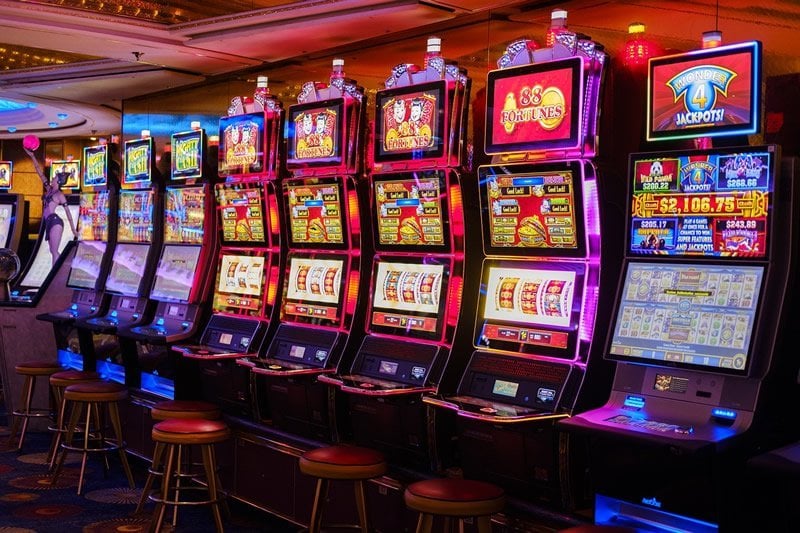
Lighting and environmental context in physical casinos further reinforce these behavioral cues. Bright, colorful lighting and strategic placement of machines draw attention and subtly guide players toward certain games. Casinos often arrange high-traffic areas with visually stimulating machines that promise frequent wins or popular themes. In online contexts, the same principles apply through dynamic animations, pop-up notifications, and personalized recommendations that encourage extended play sessions. By embedding psychological cues into the environment, slot design manipulates attention, emotion, and decision-making.
Ultimately, slot design is a sophisticated orchestration of psychological, sensory, and behavioral elements that collectively influence betting behavior. The combination of visual and auditory stimuli, pacing control, interface design, bonus features, social reinforcement, and environmental context works to sustain attention, encourage risk-taking, and create the perception of potential reward. Understanding these mechanisms is critical for both players, who can benefit from awareness of how design manipulates behavior, and regulators, who aim to balance entertainment value with responsible gambling practices. The interplay between human psychology and design ensures that slots remain compelling and engaging, demonstrating that betting behavior is as much a product of the machine’s structure as it is of the player’s choice.


Leave a Reply