
Slot games are among the most popular forms of gambling entertainment, attracting millions of players worldwide due to their simplicity, engaging graphics, and the thrill of winning. Understanding the structure of a slot game is key not only for players who want to enjoy the experience but also for those curious about the underlying mechanics that drive fairness, excitement, and reward. At its core, a slot game consists of reels, symbols, paylines, and a random number generator, all working together to create outcomes that are unpredictable yet entertaining.
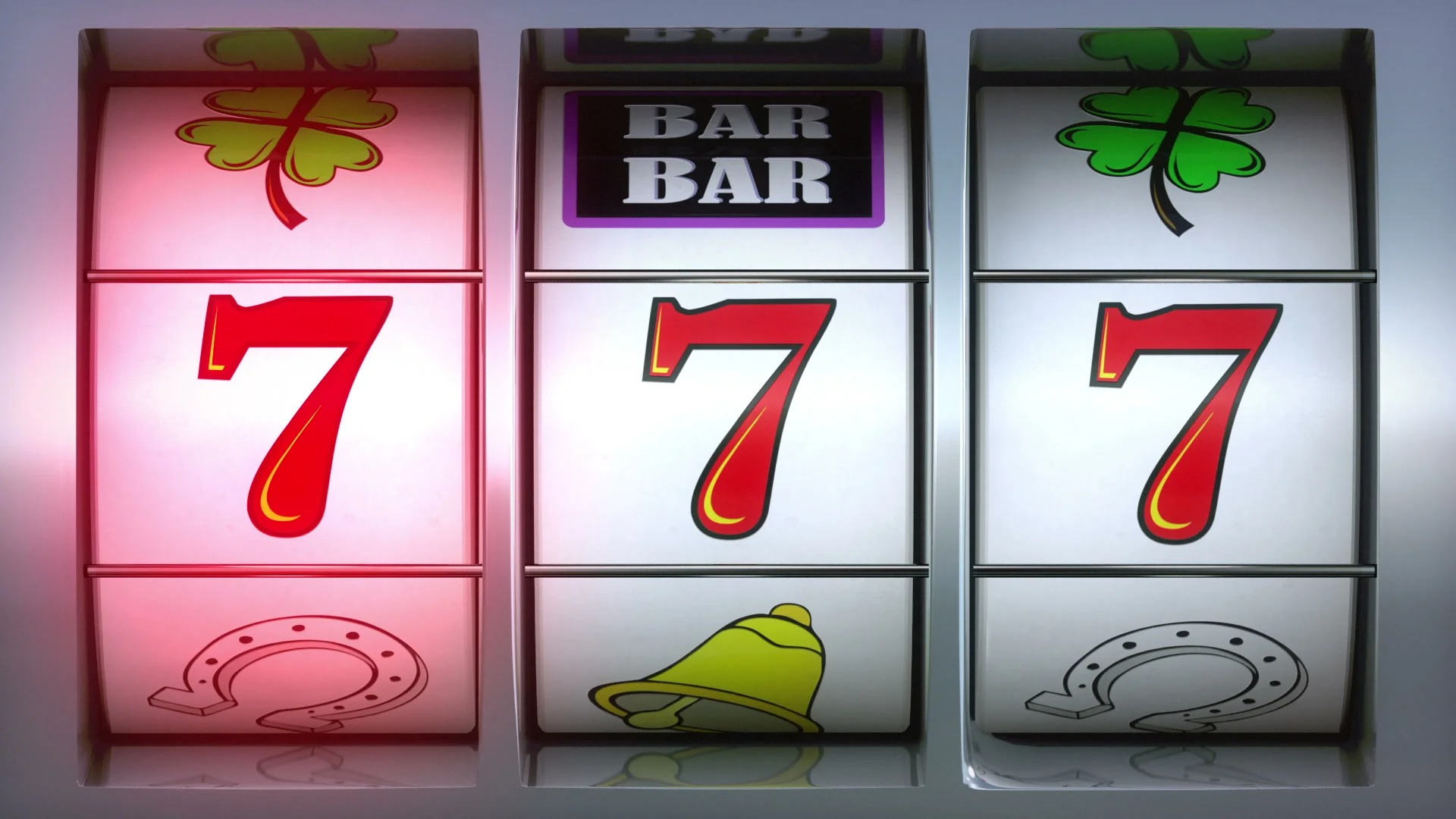
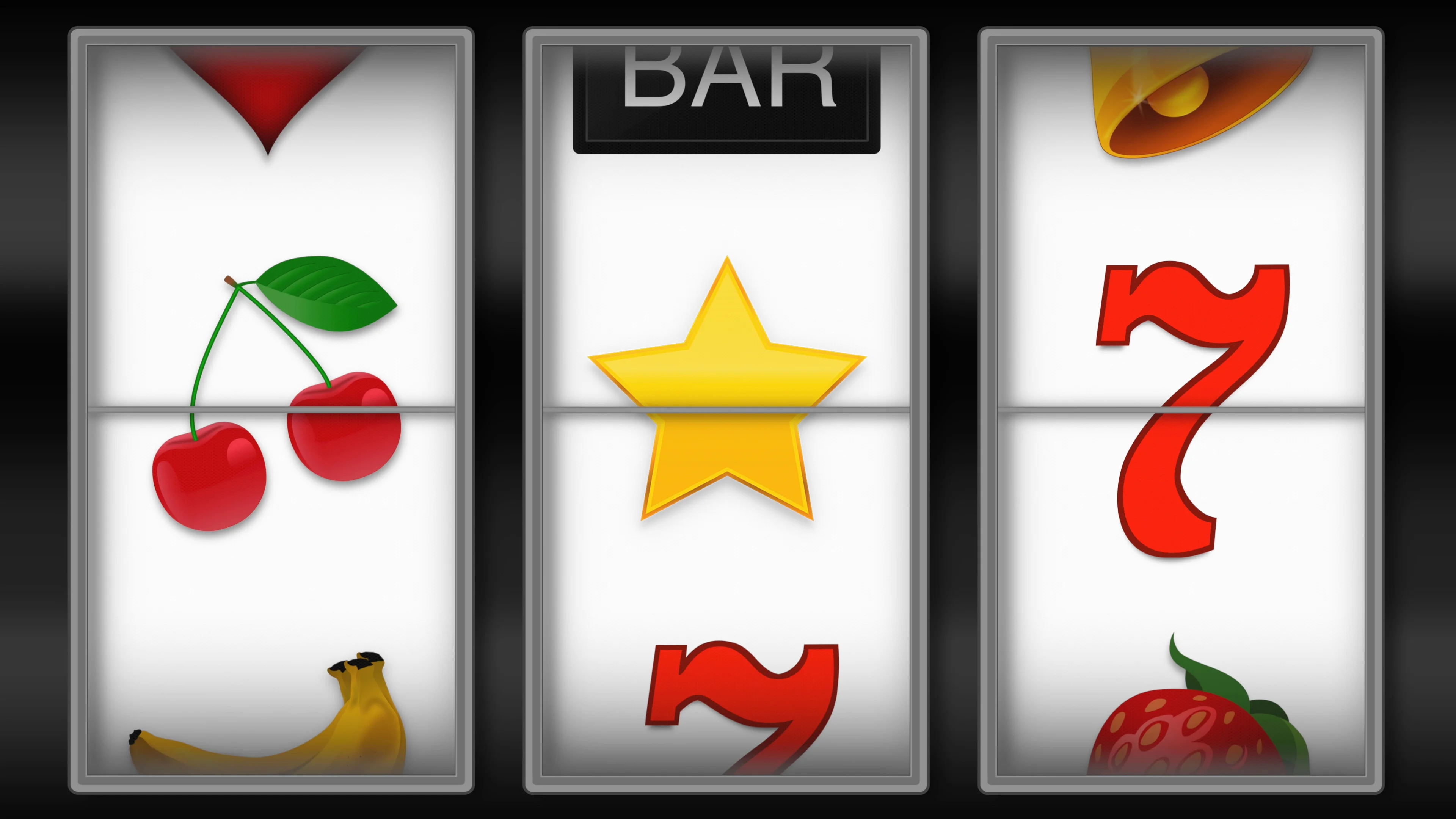
The first element of any slot game is the reels. Traditionally, these were physical wheels, each containing multiple symbols, but in modern digital slots, reels are virtual. Most slot games feature three to five reels, though some can have more. Each reel spins independently when activated, stopping at a random position determined by the game’s programming. The spinning of reels creates anticipation, as players watch for symbol combinations that determine whether they win or lose.
Symbols are the next key component. Each symbol has an assigned value, and some carry special functions. Common symbols include standard icons like fruits, numbers, or themed images depending on the game’s storyline. Beyond standard symbols, many slots feature wild symbols, scatter symbols, and bonus symbols. Wild symbols act as substitutes for other symbols to complete winning combinations, while scatter symbols often trigger special features or free spins. Bonus symbols can unlock mini-games or other interactive elements that offer additional rewards, increasing the game’s excitement and depth.
Paylines are another critical aspect. A payline is a specific pattern across the reels that determines how symbols must align for a player to win. Traditional slots might have a single horizontal line, but modern slots can have multiple paylines, sometimes exceeding 100. Players can usually choose how many paylines to activate, affecting both their chances of winning and the amount wagered per spin. Winning combinations must align along active paylines according to the rules set by the game, with each combination paying out a specified amount based on the symbols involved.
The randomness of outcomes is ensured by the Random Number Generator (RNG). This is a computerized system that generates a new number sequence every millisecond, determining which symbols appear when the reels stop. The RNG ensures that every spin is independent and unpredictable, making it impossible to influence the outcome through previous results or betting patterns. This element is crucial for fairness, providing players with confidence that the game is not rigged and that everyone has an equal chance of winning according to the game’s design.
Slot games also often incorporate additional layers of structure to enhance engagement. Free spins are one such feature, triggered by specific symbol combinations. During free spins, players can spin the reels without wagering additional money, yet still have the chance to win prizes. Multipliers may also be applied during these spins, amplifying the rewards. Progressive jackpots represent another structural element, where a portion of each wager contributes to a growing jackpot that can be won randomly or through specific in-game conditions. These jackpots often reach substantial amounts, providing an additional layer of excitement and potential reward.
The game’s theme and narrative structure also play a role in its design. Developers often create storylines, characters, and visual aesthetics to immerse players in the gaming experience. Themes can range from ancient civilizations and mythical creatures to modern movies or pop culture references. This narrative structure is supported by sound effects, animations, and interactive bonus rounds that keep players engaged and enhance the sense of progression as they play. By combining visual and auditory storytelling with traditional game mechanics, slots create an experience that is both entertaining and psychologically engaging.
User interface design is an important structural consideration as well. Modern slots are optimized for both desktop and mobile platforms, allowing players to easily understand rules, adjust bets, and navigate features. Buttons to spin, adjust paylines, or trigger special features are designed for intuitive use, ensuring that players can focus on the entertainment without confusion. Clear displays of balance, win amounts, and remaining free spins help players make informed decisions and maintain control over their gameplay.
Another structural aspect is the paytable, which outlines the values of symbols, active paylines, bonus conditions, and special features. A well-designed paytable allows players to understand the mechanics and potential rewards of a slot game, providing transparency and setting expectations. This contributes to responsible gambling by helping players make decisions based on information rather than chance alone.
Finally, the underlying mathematics of slots, often referred to as Return to Player (RTP) and volatility, forms a hidden yet essential part of the structure. RTP represents the average percentage of wagers that a slot returns to players over time, providing insight into potential long-term outcomes. Volatility indicates the risk level of a game, with high-volatility slots offering larger but less frequent wins, and low-volatility slots providing smaller but more frequent rewards. Together, these elements allow players to choose games that align with their risk tolerance and gameplay style.
In conclusion, the structure of a slot game is a carefully balanced system of reels, symbols, paylines, RNG, bonus features, narrative elements, user interface, paytables, and mathematical design. Each component contributes to creating an experience that is fair, exciting, and engaging for players. Understanding this structure not only enhances enjoyment but also provides insight into the mechanics that ensure both randomness and opportunity, demonstrating why slots remain a staple of casino entertainment worldwide. By combining technical precision with creative design, slot games continue to captivate audiences, offering a mix of chance, strategy, and immersive storytelling that few other forms of entertainment can match.


Leave a Reply