
Slot machines are one of the most iconic features of modern casinos, both physical and online, and their appeal goes far beyond flashing lights and spinning reels. One of the key drivers of engagement is the way slot feedback systems are designed to interact with players, subtly shaping decisions and behavior. These systems encompass both the mechanical and digital cues that communicate outcomes, successes, and potential opportunities to the player, ranging from audio-visual stimuli to real-time statistics and progress indicators. Understanding how these feedback mechanisms influence player choices requires examining both the psychological underpinnings and the technological implementations of slots in modern gambling environments.
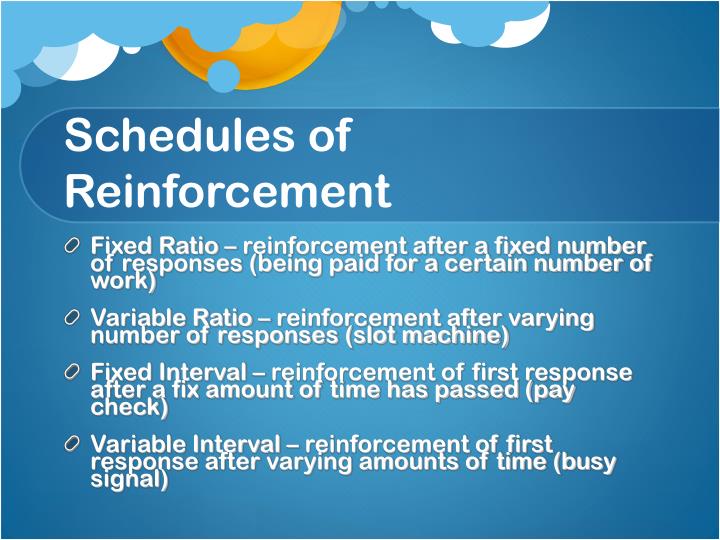
At the core of slot feedback systems is the concept of reinforcement. Behavioral psychology shows that humans are highly responsive to rewards, even when they are intermittent or uncertain. Slot machines exploit this tendency by delivering wins at varying intervals, creating what is known as a variable-ratio reinforcement schedule. This type of schedule is particularly potent because it produces high levels of engagement, as players continue to spin in anticipation of a potential reward. The feedback system amplifies this effect by providing immediate signals—such as flashing lights, celebratory sounds, and animated graphics—whenever a win occurs. Even small wins are highlighted, reinforcing the behavior and encouraging players to continue.
In addition to wins, modern slot machines use near-miss effects to shape player choices. A near miss occurs when the reels stop just short of a winning combination, giving the impression that victory was within reach. Feedback systems emphasize these near misses with visual cues, such as the symbols stopping just shy of alignment, and auditory cues, like suspenseful sounds that peak and fade. These signals trigger a psychological response similar to winning, increasing motivation to play again. Research in cognitive psychology suggests that near misses engage the same reward centers in the brain as actual wins, making players more likely to persist in their gambling, often for longer periods than they initially intended.
Progressive indicators are another significant aspect of slot feedback systems. Many games incorporate visual representations of milestones, such as accumulating points, filling bonus meters, or unlocking levels. These elements create a sense of forward momentum and achievement. Players are often more willing to continue spinning when they see that they are approaching a bonus feature or jackpot, as the feedback system provides a tangible goal. The sense of progression exploits the human preference for goal-oriented behavior, reinforcing the decision to keep playing even after a series of non-winning spins.
The personalization of feedback has also become a critical factor in influencing player choices. Online slot platforms often track player behavior and adjust visual, auditory, or statistical feedback accordingly. For example, a game may highlight wins more prominently for players who respond positively to frequent reinforcement, or it may introduce more dramatic near-miss cues for those who tend to chase jackpots. By tailoring feedback to individual preferences and behaviors, slot systems increase engagement and create a more compelling experience, making players more likely to make repeated betting decisions.
Social feedback mechanisms are increasingly integrated into online slot experiences. Many platforms display leaderboards, achievements, or peer-related statistics, allowing players to see how their performance compares to others. This type of feedback taps into social psychology principles, particularly competition and social validation. Players who observe peers achieving milestones or jackpots may feel motivated to continue playing in order to match or surpass them. Even the perception that a certain outcome is within reach because others have achieved it can influence decision-making, increasing the likelihood of sustained engagement.
Moreover, feedback systems also provide a sense of control, which can influence risk-taking behavior. Features such as selectable paylines, adjustable bet sizes, and interactive bonus rounds give players the impression that their choices directly impact outcomes. Feedback systems reinforce this perception by providing real-time updates on wins, losses, and progress toward goals. While the underlying probabilities remain largely fixed, the perception of influence enhances player satisfaction and may encourage riskier decisions, such as increasing bet sizes or extending play sessions.
Sound design, visual effects, and haptic feedback are often underestimated components of slot feedback systems. These sensory cues are engineered to maintain attention, evoke excitement, and signal the significance of events. A loud celebratory sound when hitting a bonus, combined with an animated burst of color on the screen, reinforces the emotional impact of winning. Similarly, vibrations or subtle haptic feedback on mobile devices can provide immediate confirmation of outcomes. These multi-sensory signals strengthen the association between action and reward, subtly guiding player choices toward continued engagement.
Transparency and information feedback are also part of the system, influencing strategic decisions. Many modern slots provide detailed statistics about game history, recent payouts, or volatility indicators. Players who interpret this information may adjust their bets or choose specific machines based on perceived patterns or likelihoods of success. While all outcomes are ultimately random, the presence of feedback empowers players to feel more informed and confident in their choices, which can prolong play and enhance engagement.
Finally, feedback systems shape emotional responses, which in turn influence decision-making. Positive reinforcement, near-misses, and progressive milestones create feelings of excitement, hope, and anticipation. Conversely, subtle loss signals or calming effects during non-winning spins can mitigate frustration, keeping players in the game. By carefully managing emotional responses through feedback, slot machines influence both the frequency and the magnitude of player bets.
In conclusion, slot feedback systems are a sophisticated blend of psychology, technology, and design, all aimed at shaping player choices. Through reinforcement schedules, near-miss effects, progressive indicators, personalized cues, social validation, perceived control, sensory stimulation, and informational transparency, these systems guide behavior and decision-making in subtle yet powerful ways. Players are continuously receiving signals about their performance, progress, and potential rewards, which interact with cognitive biases and emotional responses to influence choices. Understanding these mechanisms is essential for both responsible gaming initiatives and the design of engaging slot experiences, highlighting how deeply feedback systems can impact player behavior.





Leave a Reply