
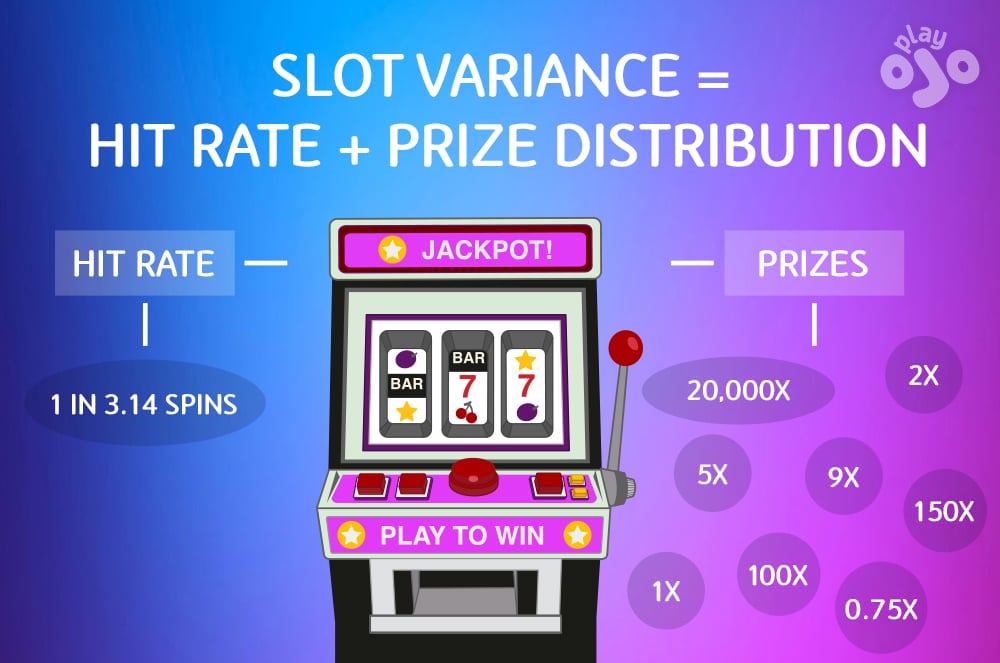
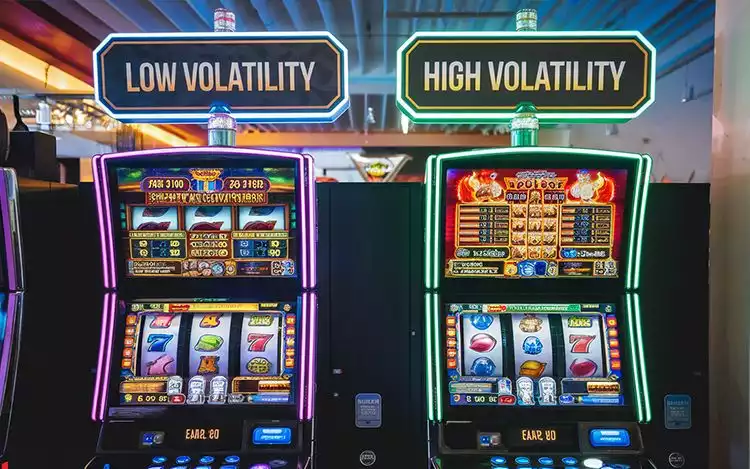
Slot machines are a cornerstone of casino entertainment, offering excitement, unpredictability, and the potential for significant rewards. One of the most crucial but often overlooked aspects of slot gaming is variance, also referred to as volatility. Slot variance is a measure of the risk involved in playing a particular slot machine, and understanding it can fundamentally shape a player’s perception of risk and reward, influencing both gameplay strategy and emotional response. At its core, variance describes how frequently a slot pays out and the size of those payouts. Low variance slots tend to offer smaller, more frequent wins, creating a steady stream of rewards that keeps players engaged with relatively low risk. High variance slots, in contrast, produce less frequent wins, but when they do occur, the payouts are often substantial, presenting the possibility of life-changing jackpots but also the risk of long losing streaks. For players, this distinction is not merely statistical—it fundamentally affects how they approach the game and experience risk.
Low variance slots appeal to players who prefer predictability and a sense of consistent progress. When wins occur frequently, even if modest, players perceive the risk as lower, which can reinforce confidence and encourage longer play sessions. This type of slot is psychologically comforting, providing a balance between thrill and stability. It creates a gaming environment where the player feels in control, as the likelihood of encountering extended losing streaks is minimal. This perception of manageable risk can also lead to a more relaxed gaming experience, where the focus is on enjoyment rather than high-stakes tension. The steady reinforcement from frequent wins can trigger a positive feedback loop, where players are motivated to continue spinning because the rewards, although small, feel reliably attainable.
High variance slots, on the other hand, are inherently riskier and attract players drawn to the excitement of uncertainty and the possibility of high rewards. The infrequent but large payouts can create intense emotional highs when wins do occur, often leading to memorable and thrilling experiences. However, the extended dry spells that accompany high variance slots amplify the perception of risk, which can challenge a player’s patience and emotional resilience. Some players thrive in this environment, drawn to the adrenaline rush and the narrative of potential triumph against the odds. Others may find the prolonged losing streaks frustrating, which can lead to impatience or impulsive betting behavior as they attempt to recoup losses. The psychological tension in high variance slots is a critical component of the overall gaming experience, shaping how players evaluate risk, manage expectations, and decide when to stop or continue playing.
Understanding slot variance also influences players’ strategic decisions regarding bankroll management. Players who gravitate toward low variance slots might allocate smaller amounts per spin, confident that frequent small wins will sustain their gameplay over time. In contrast, those attracted to high variance slots may choose to maintain larger bankrolls, anticipating periods of no returns while holding out for significant payouts. This variance-informed approach to bankroll strategy demonstrates how a clear understanding of risk can shape practical decision-making in gambling, blending both statistical awareness and psychological preparedness. Additionally, variance impacts betting patterns and session lengths. Low variance machines often encourage prolonged, consistent play, as the perceived stability aligns with recreational enjoyment and moderate risk tolerance. High variance machines might lead to more cautious or sporadic engagement, as players navigate the emotional rollercoaster associated with unpredictable outcomes.
The design of slot machines themselves takes variance into account to cultivate specific player experiences. Game developers adjust pay tables, the frequency of symbol combinations, and jackpot structures to produce targeted volatility levels. This deliberate design choice allows casinos to cater to diverse player preferences, offering options for those seeking low-risk entertainment and those chasing the thrill of high-stakes wins. The interplay between variance and perceived risk underscores how technical design elements translate directly into psychological effects. Players’ reactions to wins and losses are influenced not only by the amount won but by the context of how and when those wins occur, making variance a central factor in shaping the overall perception of risk in slot gaming.
Moreover, variance affects long-term engagement and satisfaction. Players who understand the risk profile of the slots they play are better equipped to manage expectations, which can reduce frustration and enhance enjoyment. High variance slots, while riskier, provide the allure of substantial rewards that can generate excitement and loyalty among thrill-seeking players. Low variance slots foster steady gratification, contributing to a sense of competence and mastery over the game. Both types of variance offer distinct pathways to engagement, illustrating that risk perception is not uniform but highly personalized. It is shaped by individual tolerance for uncertainty, emotional response to wins and losses, and strategic considerations regarding time and money invested in gameplay.
In the broader context of gambling psychology, slot variance exemplifies how risk is constructed and perceived. Players constantly evaluate odds, potential outcomes, and personal thresholds for loss, whether consciously or subconsciously. Variance serves as a lens through which risk is interpreted, influencing both immediate emotional responses and longer-term gaming behavior. By acknowledging the role of variance, players can make more informed choices, aligning their gameplay style with their risk appetite and desired experience. This awareness enhances the enjoyment of slot gaming while promoting responsible play, highlighting that risk is not just a statistical reality but a psychological construct shaped by perception, expectation, and emotional engagement.
Ultimately, slot variance is a defining factor in how risk is perceived in gambling. It structures the balance between reward and uncertainty, guiding player behavior, emotional responses, and strategic decision-making. Whether seeking the steady reassurance of frequent small wins or the thrilling possibility of rare, large payouts, understanding variance allows players to navigate the gambling landscape with greater awareness. The interplay between variance, perception, and experience illustrates that risk in slots is not an abstract concept but a tangible, psychologically resonant dimension of gameplay that profoundly shapes both enjoyment and engagement.



Leave a Reply