
Slot games are a cornerstone of modern gambling, and their mechanics are far more influential on player behavior than many casual observers realize. The way a slot machine is designed, from its payout structures to its visual and auditory cues, directly shapes the decisions players make and the strategies they employ. Understanding these mechanics is essential for both players seeking to optimize their experience and for developers who wish to create engaging, responsible gaming environments.
At the core of slot game mechanics is the concept of probability. Each reel on a slot machine is governed by a random number generator (RNG), which determines the symbols that appear after each spin. While the outcomes are inherently random, the distribution of symbols and the structure of pay lines create perceived patterns. Players often respond to these patterns, sometimes overestimating their ability to predict outcomes. For example, a machine with clustered high-paying symbols may lead a player to believe a win is imminent after a series of losses, even though each spin is independent. This psychological response is crucial; it influences how often players engage, how much they wager, and their overall satisfaction.
Another key factor is volatility, sometimes referred to as variance. Slot games can be low, medium, or high volatility, and this classification significantly impacts decision-making. Low-volatility slots provide frequent, smaller wins, creating a sense of steady progress and extending playtime. Players may be more conservative with their bets, relying on incremental rewards to sustain engagement. High-volatility slots, in contrast, offer less frequent but larger payouts. This unpredictability encourages riskier behavior and higher bets, as players chase the potential of a big win. Understanding a game’s volatility allows players to align their bankroll management with the expected pace of rewards, shaping their strategic approach to each session.
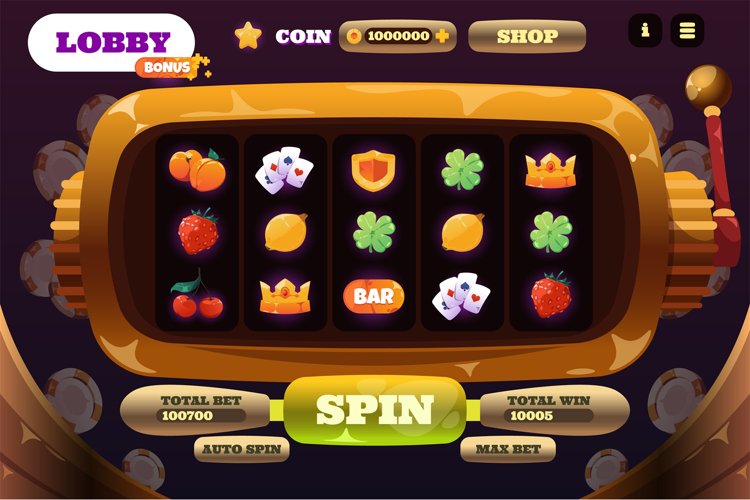
Paylines and bonus features also play a pivotal role in decision-making. Modern slots often feature multiple paylines and intricate bonus rounds, which can create the illusion of control. Players may adjust their wagers to activate all paylines, believing it maximizes their chances of winning, even when the statistical advantage remains unchanged. Bonus features such as free spins, multipliers, or mini-games introduce additional layers of complexity. They often encourage extended play by rewarding engagement with the game mechanics. The anticipation of entering a bonus round can influence when and how players choose to bet, as they may modify their spending patterns to reach that next exciting feature.
Visual and auditory feedback mechanisms are subtle yet powerful tools for influencing player behavior. The flashing lights, celebratory sounds, and animations following wins, or even near-misses, are designed to create emotional highs. Near-misses, in particular, are psychologically compelling. When a player sees two matching symbols just shy of a jackpot, the brain reacts similarly to an actual win, triggering a release of dopamine. This encourages continued play, as the player interprets the near-miss as a sign that success is just around the corner. Such feedback mechanisms exploit cognitive biases and shape decisions in ways that feel natural, even though they are carefully calibrated by designers.
Bet sizing options and adjustable stakes further influence player behavior. Many slot games allow users to control the size of each spin, the number of active paylines, and sometimes even the speed of play. These choices create a sense of autonomy, giving players the perception that their decisions can impact outcomes. In reality, while skill has minimal effect on the randomness of each spin, the flexibility to adjust bets can lead to more sustained engagement or riskier behavior. Players often experiment with different settings, sometimes influenced by prior wins or losses, which reinforces the behavioral cycle embedded in slot mechanics.
Another influential element is the integration of progression systems and rewards. Some slots incorporate loyalty points, leveling systems, or achievements that track a player’s activity over time. These systems create a sense of progress beyond individual spins, encouraging longer sessions and repeated play. Players may feel motivated to continue spinning to reach the next milestone, a dynamic that intertwines game mechanics with psychological reinforcement. By structuring rewards across multiple levels, developers influence decisions on how frequently and how much a player wagers, often blending intrinsic enjoyment with extrinsic incentives.
The design of accessibility and interface also shapes behavior. Intuitive layouts, responsive controls, and clear displays of winnings contribute to a seamless experience that minimizes cognitive friction. Players are more likely to engage deeply with games that feel user-friendly and transparent. Conversely, overly complex interfaces can discourage participation or encourage reliance on habitual betting patterns, rather than informed decision-making. User interface design thus subtly guides players’ choices, reinforcing either deliberate strategies or more impulsive behavior.
Finally, social and contextual cues embedded in some modern slot games affect decision-making. Online platforms may display leaderboards, recent wins of other players, or highlight big jackpots in real-time. These cues tap into social comparison and FOMO (fear of missing out), motivating players to increase their participation. The knowledge that others are winning—or appear to be winning—can prompt changes in bet size, frequency, or risk tolerance, demonstrating the interplay between game mechanics, perception, and decision-making.
In conclusion, slot game mechanics exert a profound influence on how players make decisions. The interplay of probability, volatility, paylines, feedback systems, adjustable stakes, progression mechanics, interface design, and social cues collectively shapes behavior in intricate ways. While each spin is random, the structured environment surrounding it guides players’ perceptions and choices. Recognizing these influences allows for more informed play, better bankroll management, and a deeper understanding of the psychological mechanisms embedded in modern slot games. Developers, too, benefit from understanding these dynamics, as it helps them craft experiences that are engaging, ethically responsible, and aligned with player satisfaction. The design of slot mechanics is far from arbitrary; it is a deliberate orchestration that influences decisions subtly, yet powerfully, on every spin.





Leave a Reply