
Slot machines are among the most popular forms of entertainment in casinos, both online and offline, and their design is far from arbitrary. Behind the flashing lights, spinning reels, and enticing sound effects lies a carefully engineered structure that encourages prolonged engagement. One of the most critical aspects of this design is the way slot games are structured, from payout patterns to bonus features, volatility, and user interface, all of which contribute to how long players stay engaged during a session. Understanding these mechanisms sheds light on why some slot experiences feel immersive and almost hypnotic, keeping players returning for more.
At the foundation of slot design is the concept of volatility, sometimes called variance. Low-volatility slots offer frequent but smaller wins, while high-volatility slots provide rare but significant payouts. Game designers often use this variance strategically to match different player preferences. Players seeking steady action and incremental rewards tend to favor low-volatility games, which keep them engaged by consistently providing feedback and small wins. This reinforcement loop—where players receive frequent positive reinforcement—keeps them actively spinning, prolonging their session without feeling significant loss. High-volatility games, on the other hand, create a psychological tension where the anticipation of a large payoff encourages extended play, as each spin might be the one that hits the jackpot. In both cases, understanding and manipulating volatility allows slot developers to structure experiences that naturally encourage longer sessions.
The payout structure itself plays a pivotal role in session length. Modern slots often utilize multi-line pay systems where wins can occur across various combinations simultaneously. The presence of multiple paylines increases the number of chances a player has to win on each spin, creating a sense of excitement and possibility. Even small wins trigger the brain’s reward system, releasing dopamine, which reinforces behavior and encourages repetition. Additionally, many slots incorporate near-miss mechanics, where symbols almost align for a win. These near-misses exploit the human brain’s pattern recognition tendencies, creating a compelling illusion that a win is imminent. This can keep players engaged longer, as the anticipation of victory—even when elusive—prolongs their interaction with the machine.
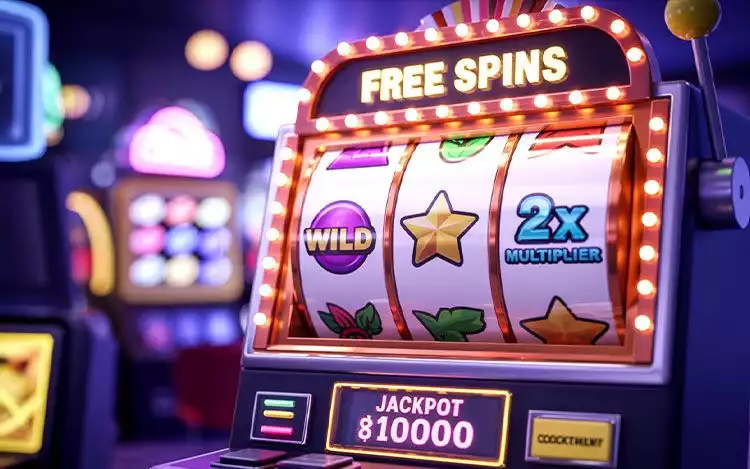
Bonus features are another integral part of slot structure that supports extended sessions. Free spins, multipliers, cascading reels, and interactive mini-games break up the monotony of regular spins and provide moments of heightened excitement. Each feature is carefully timed and designed to maximize engagement; free spins can keep players spinning without additional cost, while bonus games offer more complex interactions that feel like a reward for persistence. These features create peaks in excitement that contrast with standard gameplay, keeping players invested for longer periods. Furthermore, some slots utilize progressive bonuses or cumulative rewards that require repeated play to unlock, creating a sense of achievement and long-term goal orientation that further extends session time.
The pacing of a slot game also significantly influences session duration. Game developers meticulously design the timing of spins, animations, and sound effects to maintain a steady rhythm that is engaging but not overwhelming. Short, rapid spins with quick feedback encourage continuous interaction, while longer animations and suspenseful sequences heighten anticipation. Audio cues, such as celebratory sounds on wins or tension-building music during potential high-payout moments, further enhance immersion. The combination of visual and auditory stimulation, carefully balanced in tempo, ensures that players remain absorbed in the game environment, often losing track of time during extended sessions.
Another factor that supports prolonged engagement is the psychological concept of intermittent reinforcement, a principle borrowed from behavioral psychology. Slots rarely pay out on every spin; instead, rewards are delivered at unpredictable intervals. This irregularity makes each win feel particularly gratifying and keeps players spinning in hopes of the next reward. By carefully calibrating the frequency and magnitude of these rewards, designers tap into a powerful motivator, as humans are naturally inclined to persist when outcomes are uncertain but potentially rewarding. The unpredictability inherent in slot structures encourages persistence, making it more likely that players will continue playing for longer stretches.
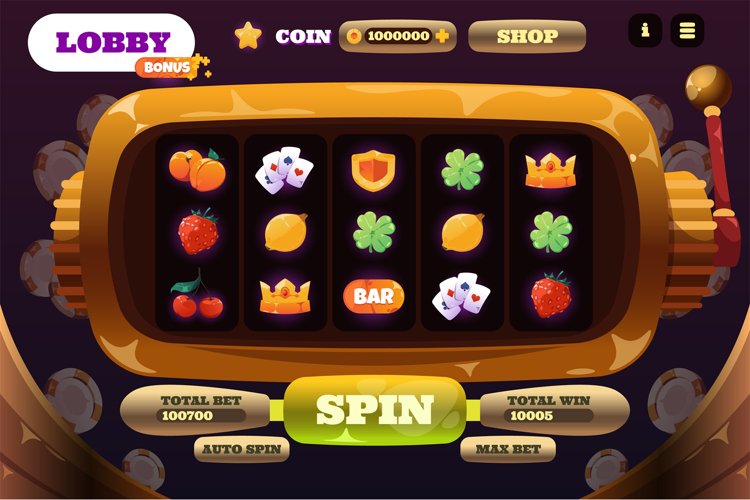
User interface and accessibility also contribute to session length. Modern online slots are designed with intuitive layouts, easy-to-read symbols, and seamless controls, reducing friction that might otherwise interrupt gameplay. One-click spin buttons, autoplay options, and mobile-friendly interfaces allow for continuous play without effort, enabling players to maintain engagement effortlessly. Visual clarity and ergonomic design ensure that the gaming experience feels smooth and responsive, which subtly encourages players to stay longer. Even small interface conveniences, like highlighting winning lines or providing immediate feedback on bonuses, reinforce the feeling of accomplishment and promote extended interaction.
The thematic elements of slots should not be underestimated in their role in session duration. Immersive narratives, popular cultural references, and visually captivating graphics create emotional investment. Players are more likely to remain engaged when they feel connected to the game’s story, characters, or aesthetic. Themes that evoke nostalgia, adventure, or fantasy can transport players into a world where the passage of time becomes less noticeable. By combining thematic depth with mechanical reinforcement through structured wins, bonus features, and engaging pacing, slots create an environment where players willingly invest extended periods of attention.
In conclusion, the structure of slot games is a sophisticated blend of psychological principles, mathematical design, and aesthetic appeal, all orchestrated to encourage longer sessions. Volatility, multi-line payouts, near-misses, bonus features, pacing, intermittent reinforcement, user interface design, and immersive themes all converge to create an experience that is both engaging and rewarding. Players remain absorbed not merely because of luck or chance, but because the game’s architecture is engineered to maintain attention, provide continual feedback, and create a sense of anticipation. Understanding these elements reveals why slot machines are not only popular but also remarkably effective at sustaining long play sessions, blending entertainment, psychology, and design into a seamless experience that keeps players spinning for extended periods.






Leave a Reply