
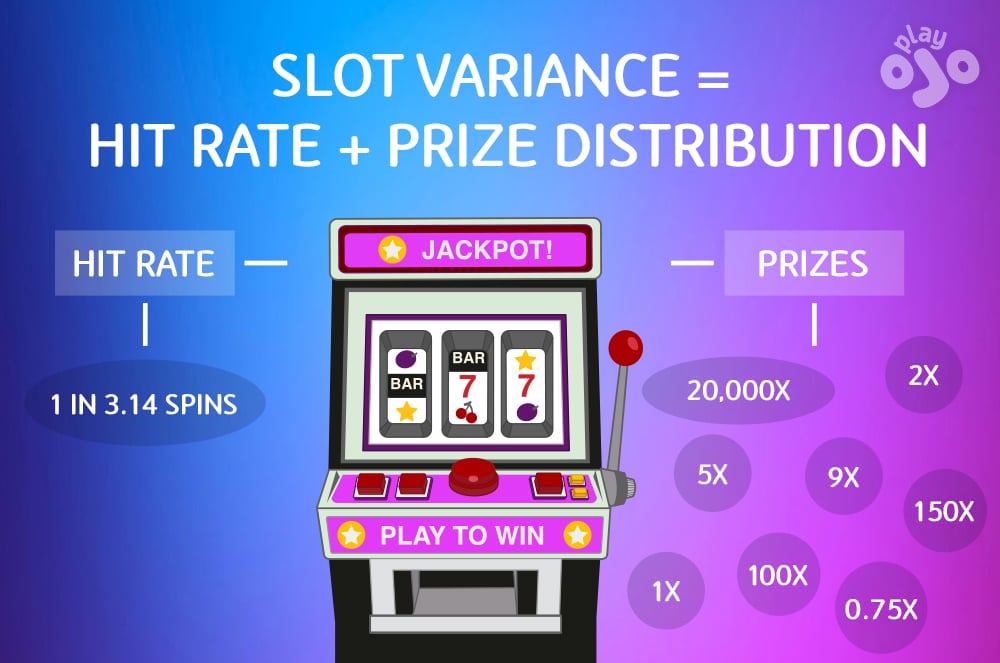
Understanding slot variance is crucial for anyone who wants to grasp how different slot machines affect long-term outcomes. Slot variance, sometimes referred to as volatility, measures how unpredictable a slot machine’s payouts are over time. Low variance slots offer frequent but smaller wins, while high variance slots provide larger payouts, though less frequently. Recognizing the type of variance in a game can help players align their expectations with their bankroll and playing style.
Low variance slots are often appealing to beginners or those who prefer steady gameplay. Because wins are more regular, players experience less fluctuation in their bankroll. This stability can make the gaming experience feel more controlled and less risky. However, while these machines may keep a player engaged for longer periods, the trade-off is that large jackpots or massive payouts are rare. Consequently, players who are hoping for life-changing wins might find low variance slots less satisfying, even if they provide a consistent sense of reward.
On the other hand, high variance slots are designed for players willing to accept risk for the potential of a substantial payout. Wins on these machines are less frequent, which can create long stretches without any returns. For some, this can be frustrating, as the bankroll may deplete more quickly. However, when a win does occur, it can be significantly higher than average, sometimes even reaching the slot’s maximum jackpot. Understanding this dynamic is essential because it informs how much money a player should allocate and how patient they need to be. Without this awareness, players may mistakenly perceive a game as unfavorable simply because it doesn’t pay out quickly.
Slot variance also influences long-term results by affecting the expected frequency and size of wins. In statistical terms, variance impacts the standard deviation of payouts. High variance games have a wide spread of outcomes, meaning the player’s session results can swing dramatically. Low variance games, conversely, have a narrow spread, so results tend to cluster closer to the average return. This understanding can help players develop strategies that match their tolerance for risk. For instance, someone with a limited bankroll may prefer low variance slots to extend their playtime, while someone chasing a big win might accept the volatility of high variance slots.
Another key consideration is how variance interacts with the slot’s return to player (RTP) percentage. RTP represents the theoretical percentage of all wagered money that a slot returns to players over the long run. While RTP gives an indication of expected returns, variance determines the distribution of those returns. Two slots may share the same RTP, but the experience of playing each can be very different. A low variance slot with 96% RTP will provide steady but modest wins, while a high variance slot with the same RTP might require many spins before a significant win is realized. This distinction is crucial for players who want to manage their expectations and bankroll effectively.
The psychological aspect of variance should not be overlooked. Frequent small wins on low variance slots can create a sense of progress and satisfaction, reinforcing engagement. Players feel rewarded often, which can lead to longer sessions and a more enjoyable experience. In contrast, high variance slots may test patience and emotional control. Long losing streaks can be discouraging, and only players who can tolerate such swings without frustration will enjoy these games fully. Being aware of variance helps players maintain a realistic mindset, reducing the likelihood of impulsive decisions driven by short-term losses.
Bankroll management strategies are also affected by slot variance. Low variance slots generally require smaller bets to achieve steady returns, allowing players to play longer with a limited budget. High variance slots, however, may necessitate larger bets or a bigger bankroll to sustain through dry periods and maximize the chance of hitting the big win. Experienced players often tailor their betting strategies to the type of variance, adjusting bet size, session length, and expectations accordingly. This conscious approach helps mitigate risk and enhances the overall gaming experience.
Variance also plays a role in tournament or competitive play. In these contexts, understanding a slot’s volatility can inform decisions about which machines to choose to maximize scoring potential. Players who are more risk-averse might select low variance slots to accumulate points steadily, while those willing to gamble may opt for high variance options for the chance to leap ahead with a big win. This strategic element adds depth to gameplay, showing that variance isn’t just about luck—it’s about how one manages risk and reward.
Developers and casinos use variance intentionally to design games that cater to different player preferences. Some players prioritize entertainment and frequent wins, while others seek the thrill of chasing a massive jackpot. By offering a spectrum of low to high variance games, casinos create a balanced portfolio that attracts a diverse audience. Understanding variance helps players navigate this landscape and select games that align with their personal style and goals.
Ultimately, slot variance directly impacts long-term results by shaping the frequency, size, and distribution of wins. Low variance slots provide steady, smaller payouts that favor prolonged play and consistent bankroll management. High variance slots offer the potential for large wins but require tolerance for longer periods without returns. Players who understand variance can make informed decisions about game selection, bet sizing, session planning, and emotional resilience, leading to a more controlled and enjoyable gaming experience. By recognizing how variance influences outcomes, players gain a powerful tool to balance risk and reward, making their time at the slot machine both strategic and satisfying.







Leave a Reply