
Slot games are one of the most popular forms of gambling, not only because they are entertaining but also because they subtly encourage a sense of structured play. This structure arises from a combination of game design, reward systems, and player psychology, creating an environment where players are both engaged and guided in how they interact with the game. Understanding the mechanisms behind this structured play can shed light on why slot machines are so effective at keeping players invested while promoting certain behavioral patterns.
At the core of slot games is the principle of predictable randomness. While the outcome of each spin is determined by random number generators (RNGs), the visual and auditory cues create a sense of rhythm and expectation. The spinning reels, flashing lights, and celebratory sounds when a win occurs all provide feedback that structures the player’s experience. This feedback loop allows players to recognize patterns of play even though the outcomes are random. By establishing a consistent rhythm, slot games teach players when to expect results and how to pace their engagement. This can be compared to learning a musical instrument: the player is guided by repetitive signals, gradually internalizing a sense of timing and flow.
Another element that encourages structured play is the betting system. Most modern slot games offer multiple paylines, adjustable bet sizes, and bonus features that require strategic consideration. Players are prompted to make choices about their wagers, which fosters a level of planning and foresight. The incremental nature of betting – increasing or decreasing stakes based on previous outcomes – creates a pseudo-strategy. While the results remain largely luck-based, the act of adjusting bets in response to wins and losses adds a layer of cognitive engagement. This decision-making process encourages players to think systematically, reflecting a structured approach to play rather than random, haphazard actions.
The reward system within slot games also reinforces structured play. Wins are often distributed according to variable ratio schedules, a concept rooted in behavioral psychology. This means that rewards are unpredictable but occur frequently enough to keep players motivated. The unpredictability creates anticipation, while the consistent possibility of reward encourages players to maintain a certain pattern of engagement. In addition, most slots include visual markers of progress, such as bonus rounds, multipliers, or achievement tracking. These markers act as checkpoints, signaling to players that their actions are leading toward specific outcomes. This gamification element fosters a sense of order and progression, guiding players to engage in a structured manner over time.
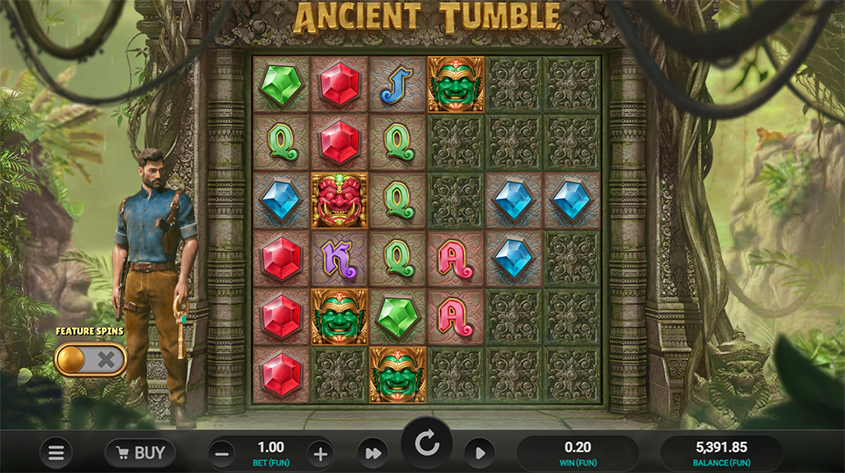
Slot games often incorporate levels of complexity that require players to learn and adapt, further encouraging structured play. Many machines feature bonus games or cascading reels that introduce new rules once certain conditions are met. Players are incentivized to understand these mechanics to maximize potential gains, which requires attentiveness and planning. Even in seemingly simple games, the underlying probabilities and payout structures reward those who develop a systematic approach. The engagement is not purely reactive; players are subtly prompted to consider sequences, combinations, and timing, reinforcing a cognitive framework for play.
Moreover, slot games employ narrative and thematic elements that enhance the sense of structured play. Themes based on mythology, adventure, or popular media create a storyline that players follow as they progress. This narrative framework gives meaning to repeated actions, encouraging players to pursue goals and milestones within the game. The combination of thematic engagement with mechanical structure ensures that play is not chaotic but guided by both visual cues and internalized objectives. This sense of progression mirrors structured activities in other areas of life, where incremental achievements and clear feedback foster discipline and continuity.
The role of technology in reinforcing structured play cannot be overlooked. Modern slot machines, both physical and digital, use sophisticated software to monitor player behavior, adapting in real-time to encourage continued engagement. Features such as auto-spin, reminder prompts, and dynamic payout adjustments create a controlled environment where players are guided in how to interact with the game. While these features are designed to maintain engagement and extend playtime, they also introduce predictable patterns that players can internalize. The combination of user interface design and behavioral incentives subtly structures the player’s experience, making it more organized and consistent.
Importantly, structured play in slot games can have benefits beyond mere engagement. By guiding players to pace their bets, recognize patterns, and respond to feedback, these games foster attentiveness and patience. Players learn to manage their bankrolls, make decisions under uncertainty, and adjust their strategies in response to outcomes. Even though the primary goal of slot machines is entertainment and profit for operators, the design elements inadvertently teach a form of behavioral discipline. Structured play reduces chaotic or impulsive engagement, replacing it with a rhythm and framework that players can follow, which can enhance satisfaction and perceived control over the experience.
Despite the inherent randomness of slot outcomes, the structured elements embedded in gameplay help maintain a balance between chance and skillful engagement. Players are motivated to continue playing, not simply through luck but through a system of rewards, cues, and progressive challenges. This structure creates a compelling and immersive experience that encourages repeated interaction while providing a framework for understanding and participating in the game. It also demonstrates how thoughtfully designed entertainment can influence behavior, shaping how players approach not only the game itself but decision-making and risk management in a broader sense.
In conclusion, slot games exemplify how randomness and structure can coexist to create engaging and disciplined play. Through visual and auditory feedback, strategic betting options, variable reward schedules, progressive complexity, thematic storytelling, and technology-driven guidance, these games encourage players to develop patterns of structured engagement. The result is an experience that is both captivating and organized, allowing players to immerse themselves in gameplay while benefiting from a subtle framework of order. Understanding these mechanisms highlights the sophistication of slot design and its ability to transform seemingly simple gambling into a structured, engaging activity that appeals to both casual and experienced players alike.





Leave a Reply