
In the world of online and physical casinos alike, slot machines have evolved far beyond the simple pull-and-spin models of the past. Modern slot games incorporate a range of features designed not only to entertain but also to give players more control over their gameplay experience. This shift toward player empowerment reflects a broader understanding that engagement increases when participants feel they can influence outcomes, manage risks, and make strategic choices within the game environment.
One of the most impactful ways slot developers provide player control is through adjustable paylines and bet sizes. Unlike older machines with fixed lines and mandatory wagers, contemporary slots often allow players to choose how many paylines they wish to activate and how much to stake per line. This flexibility enables both conservative and aggressive strategies, letting players tailor their risk exposure. By being able to activate fewer paylines or lower bets, players can extend their gaming session, reducing the potential for rapid losses while still enjoying the excitement of each spin. Conversely, those seeking higher risk and higher rewards can increase their wagers and activate more paylines to maximize potential payouts.
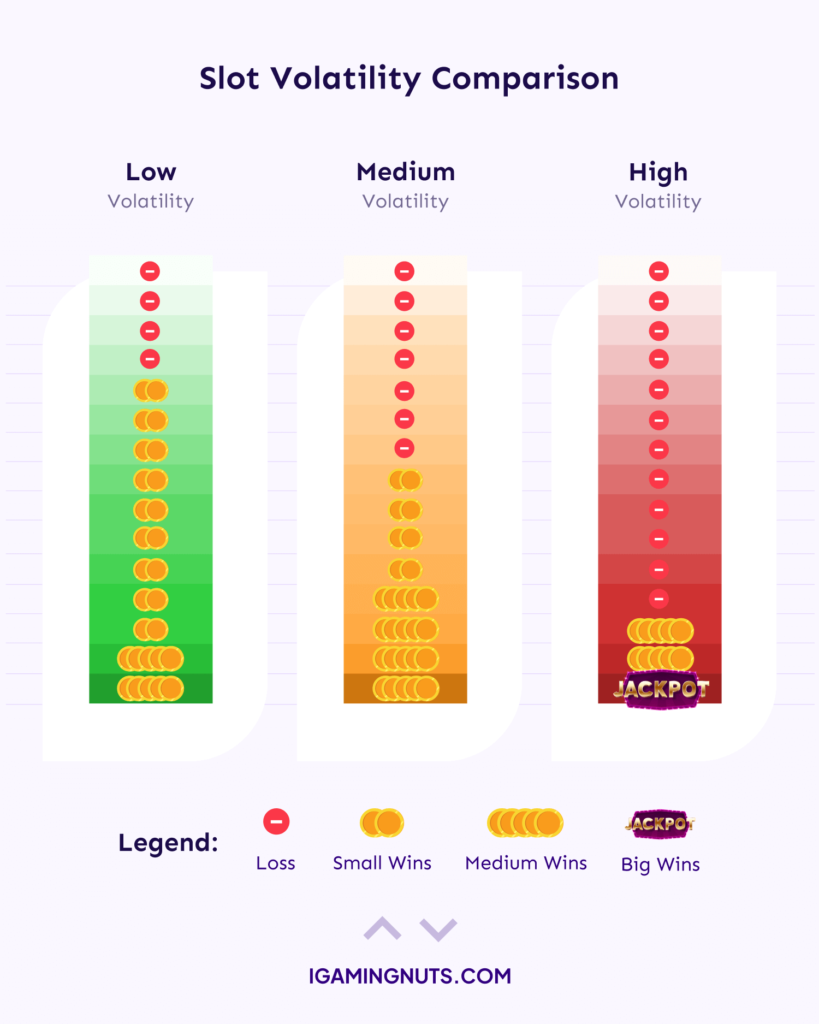
Another critical feature enhancing control is volatility selection. Some online slots now offer options to choose between low, medium, and high volatility modes. Low volatility typically provides frequent, smaller wins, appealing to those who prefer steady progression, while high volatility offers larger but less frequent payouts for thrill-seekers. By allowing this choice, slots cater to different player preferences, effectively giving users agency over the pace and style of their gaming experience. This ability to select volatility reinforces the sense that outcomes are not entirely left to chance but can be approached with an understanding of risk management.
Autoplay settings represent a third area of player control that has gained popularity. While some may argue that autoplay reduces engagement, when implemented thoughtfully, it empowers players to dictate the pace and length of their session. Features often include setting loss limits, win limits, or a specified number of spins, all of which enable players to maintain discipline and avoid unintended overextension. Autoplay, coupled with stop conditions, lets players automate gameplay while retaining the capacity to intervene if desired, creating a balance between convenience and oversight.
Bonus game structures also contribute significantly to player agency. Modern slots frequently integrate skill-based mini-games, choice-driven bonuses, or pick-and-reveal features. These elements introduce decision points where players’ choices directly impact outcomes. Even when the underlying mechanics remain based on random number generation, the perception of influence can enhance satisfaction and engagement. For instance, selecting between different treasure chests or paths in a bonus round allows the player to feel involved in the progression of rewards, creating a more immersive and interactive experience.
In addition to these mechanical controls, transparency features bolster player confidence and perceived control. Many games now display clear information on paytables, odds, and the frequency of special symbols. By knowing exactly how combinations are rewarded, players can make informed decisions about which features to engage with or how to adjust their bet patterns. Information is power in this context, and providing players with clear, accessible game mechanics helps them feel less at the mercy of randomness and more in command of their session.
Risk management tools extend beyond in-game options. Responsible gaming features integrated into slot platforms often allow players to set daily, weekly, or monthly deposit limits, session time reminders, and self-exclusion options. While not directly part of the slot’s mechanics, these tools complement the player’s in-game choices, reinforcing a culture of control and accountability. When players can manage their broader gambling behavior alongside their immediate slot decisions, they experience a deeper sense of autonomy and security, which can enhance overall satisfaction and retention.
Customization features also contribute to player control. Some slot titles offer the ability to personalize audio, visual effects, and even speed of spins. By tailoring the sensory experience to individual preferences, players can create an environment that suits their comfort and focus. This level of personalization may seem minor, but it significantly impacts immersion and the feeling of command over one’s experience. Players are not merely participating in a preset environment; they are co-creating the ambiance, which deepens engagement and enjoyment.
The integration of progressive jackpots with incremental decision-making further exemplifies control-oriented design. In these systems, players may choose to participate in local or networked jackpot pools, determining how much of their stake contributes to potential large wins. Making these choices actively involves the player in long-term strategy and adds layers of planning to what might otherwise be a purely chance-based activity. The ability to influence potential outcomes on a macro scale encourages thoughtful participation and a sense of ownership over results.
Finally, the advent of mobile and cross-platform slots enhances accessibility and situational control. Players can engage on their own schedules, pause sessions, and return without penalty. This flexibility complements the in-game control features, allowing users to align gameplay with personal preferences and lifestyles. When combined with in-game tools like adjustable paylines, volatility selection, and skill-based bonuses, the result is a comprehensive ecosystem where player choice is respected and rewarded.
In sum, modern slot machines incorporate numerous features designed to enhance player control. Adjustable paylines, bet sizes, volatility settings, autoplay options, bonus game choices, transparency measures, responsible gaming tools, customization, progressive jackpot participation, and mobile accessibility all converge to provide a more empowered and engaging experience. By giving players meaningful ways to influence their sessions, developers not only foster greater enjoyment and satisfaction but also encourage responsible participation and long-term engagement. The trend toward control-oriented slot design reflects a broader understanding of player psychology, where empowerment and agency are central to sustained entertainment. Players today are not merely passive observers; they are active participants, making informed choices, managing risk, and experiencing the thrill of gaming on their own terms. This evolution signifies a mature, player-centric approach in the slot gaming industry that values both fun and autonomy, ensuring that the experience remains engaging, responsible, and tailored to individual preferences.








Leave a Reply