
Slot games are among the most popular attractions in both physical casinos and online platforms. Their appeal lies in their simplicity, instant gratification, and the potential for large payouts with relatively small wagers. However, beneath the flashing lights and exciting sounds lies a complex balance of mechanics that govern outcomes, player engagement, and profitability. Understanding how slot game balance works can help players make smarter decisions and enjoy the game responsibly.
At the core of any slot machine is the concept of Return to Player, commonly referred to as RTP. This percentage indicates the amount of wagered money that is theoretically returned to players over a long period. For example, a slot with an RTP of 96% is designed to return $96 for every $100 wagered, though not in a predictable or immediate way. Players should understand that RTP is an average over millions of spins, meaning individual sessions can deviate significantly from this figure. Awareness of RTP allows players to gauge which games offer better long-term value, but it should not be mistaken for a guarantee of winning in any single session.
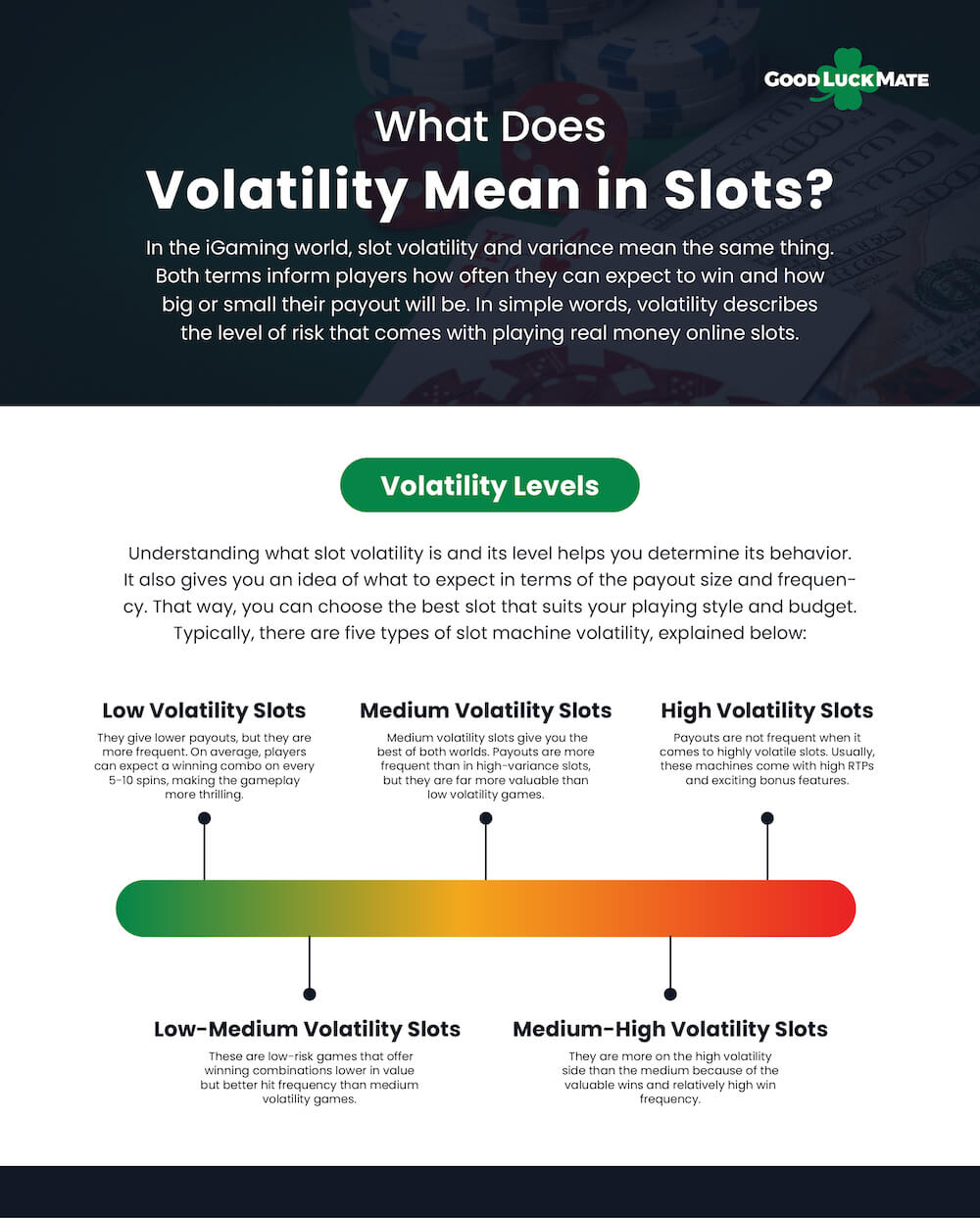
Equally important is the volatility or variance of a slot game. Volatility describes how often and how much a game pays out. High-volatility slots may pay out less frequently, but the wins are often substantial, creating the potential for large, life-changing jackpots. Low-volatility slots provide frequent but smaller wins, offering a steadier stream of rewards. Choosing a game that matches a player’s risk tolerance and bankroll is essential for maintaining enjoyment without experiencing undue frustration or financial strain. For instance, players with limited funds may prefer low-volatility slots to extend playtime, whereas thrill-seekers may gravitate toward high-volatility machines in pursuit of bigger rewards.
Another critical aspect of slot balance is payline structure and mechanics. Traditional slots may have a single payline, while modern video slots often feature multiple paylines, ways-to-win systems, or cluster pays. More paylines can increase the chances of landing winning combinations, but they also require careful consideration of betting strategy. Understanding how paylines work, including how symbols interact and trigger bonuses, enables players to maximize potential payouts without overextending their bankroll. Similarly, bonus features such as free spins, multipliers, wilds, and scatters are designed to enhance engagement, but players should recognize that these features are balanced by the overall odds of the game. Bonuses add excitement but do not necessarily increase the long-term RTP significantly; they are often a tool to retain interest and encourage extended play.
The concept of progressive jackpots adds another layer of complexity to slot balance. Progressive jackpots grow with each wager until someone hits the winning combination. While these jackpots can be incredibly enticing, they usually come with higher volatility and lower base game payouts. Players drawn to the allure of a massive jackpot must understand that the odds of hitting such prizes are extremely low. Therefore, participation in progressive slots should be considered more for entertainment and excitement than as a reliable means of income.
Game designers use mathematical algorithms, often referred to as random number generators (RNGs), to ensure fairness and unpredictability. RNGs produce sequences of numbers that determine the outcome of each spin, independent of previous spins. This ensures that every play is random and that the house maintains a statistical edge. Understanding that each spin is independent can help players avoid common misconceptions, such as believing a “due” win is imminent after a series of losses. Recognizing the role of RNGs encourages rational decision-making and discourages chasing losses, which is a critical component of responsible gambling.
Bankroll management is another fundamental principle linked to understanding slot balance. Setting limits on how much to wager per session, deciding on the number of spins, and determining acceptable losses are practical ways to control the gambling experience. Smart players approach slots not solely as a way to win money but as a form of entertainment, budgeting their playtime and expenditures accordingly. Effective bankroll management reduces the risk of impulsive decisions and ensures that players can enjoy gaming over the long term without financial harm.
Psychological elements also play a significant role in slot game balance. Features such as near-miss outcomes, sensory feedback, and variable reward schedules are deliberately designed to enhance engagement and excitement. Near-misses—spins that come close to a winning combination—can create the illusion of skill or impending success, motivating continued play. Sound effects, animations, and tactile feedback further stimulate the brain’s reward system, making the experience enjoyable regardless of actual winnings. Awareness of these psychological cues can empower players to enjoy the game for entertainment while remaining mindful of the inherent randomness and low probability of large wins.
Technology has also influenced how slot games maintain balance and player engagement. Online platforms offer detailed statistics, autoplay features, and session tracking, allowing players to make more informed decisions. Data analytics can help players understand patterns in volatility, frequency of bonuses, and typical payouts, giving an additional layer of insight into game dynamics. Mobile and online slots often feature more complex mechanics and interactive bonus rounds, making comprehension of game rules and pay structures even more critical for strategic play.
Ultimately, understanding slot game balance equips players with knowledge that enhances both enjoyment and responsibility. Recognizing how RTP, volatility, paylines, bonus features, RNGs, and psychological mechanisms interact allows players to make informed choices, select games that suit their preferences, and approach each session with realistic expectations. While winning cannot be guaranteed, comprehension of these factors helps reduce impulsive behavior, promotes better bankroll management, and fosters a more satisfying gaming experience. Slot games are designed for entertainment, and players who understand their balance are more likely to enjoy them responsibly, appreciating both the thrill of the spins and the structure that governs outcomes.



Leave a Reply