
Slot machines are not just about luck and chance; they are also a carefully designed visual experience that impacts how players perceive and interact with the game. One of the key elements in this experience is the use of slot symbols, which are not merely decorative but serve a crucial role in guiding attention, creating engagement, and ensuring visual comfort. The way these symbols are designed, arranged, and animated can significantly affect how enjoyable and sustainable a player’s session is, especially in modern online slots where prolonged interaction is common.
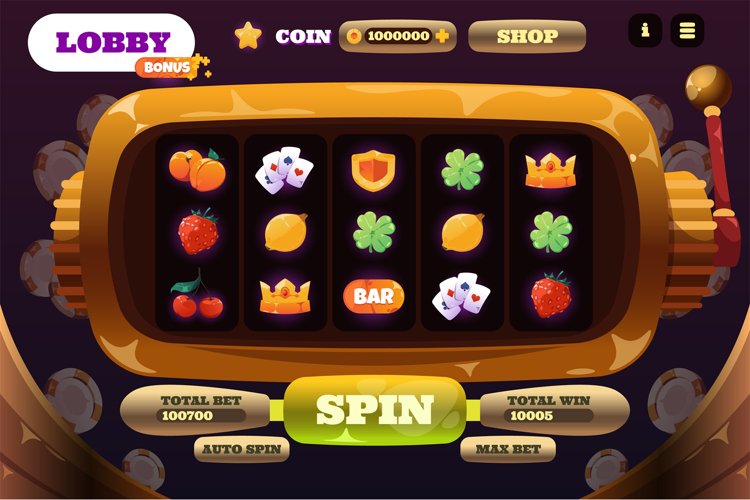
The choice of symbols begins with familiarity and recognition. Traditional symbols, such as fruits, bells, or numbers, are easy to identify and quickly processed by the brain. Their simplicity reduces cognitive load, meaning players can instantly recognize winning combinations without straining their visual perception. This familiarity fosters a sense of comfort and confidence, allowing players to focus on the gameplay rather than deciphering complex visuals. When symbols are overly intricate or abstract, it can lead to visual fatigue, where players’ eyes must work harder to identify outcomes, decreasing overall enjoyment and potentially shortening the duration of play.
Color also plays a vital role in visual comfort. Slot designers often employ contrasting colors to make symbols stand out against the background while maintaining a balance that is gentle on the eyes. High contrast helps in quick recognition of winning lines, while overly bright or clashing colors can create visual stress and discomfort. In addition, color coding can be used to indicate the rarity or value of symbols, subtly guiding the player’s attention toward more significant outcomes. For example, golden or red-toned symbols might represent high-value items, instantly catching the player’s eye without requiring conscious effort. Such color strategies help maintain engagement while preserving a visually comfortable experience.
Animation and motion within slot symbols are another dimension that influences comfort. Smooth, predictable animations are visually appealing and can enhance the sense of reward when a player wins. For example, symbols that gently bounce or shine upon triggering a win create a satisfying feedback loop that reinforces the player’s actions. However, excessive or erratic animations can be overwhelming and distracting. Flickering or rapidly spinning elements may induce eye strain or even trigger discomfort for sensitive players. Therefore, balancing motion with predictability ensures that symbols are engaging but not visually taxing.
Spacing and layout also directly impact how symbols affect visual comfort. Properly spaced symbols prevent overcrowding, allowing each symbol to be clearly visible and distinguishable. Consistent alignment and a clean grid layout reduce the effort needed to track combinations and anticipate outcomes. Misaligned or densely packed symbols can lead to confusion and visual clutter, forcing players to expend unnecessary cognitive effort to interpret results. Designers must consider the average screen size and resolution, especially in digital slots, to ensure that symbols remain sharp and comfortably readable regardless of the device.
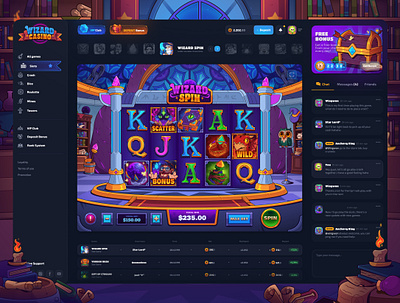
The thematic consistency of symbols contributes subtly but powerfully to visual comfort. Symbols that align with the game’s overall theme create a cohesive visual narrative, which reduces mental dissonance and makes gameplay more immersive. For instance, an underwater-themed slot featuring symbols like seashells, fish, and treasure chests allows players to intuitively connect elements, easing visual processing. When symbols clash thematically or appear randomly without context, the disjointed imagery can be jarring, requiring extra mental effort to process and potentially diminishing the enjoyment of the game.
Another consideration is the size and shape of symbols. Appropriately sized symbols ensure that each element is easily distinguishable without overwhelming the screen. Rounded shapes or soft edges can make visuals feel more approachable, while overly sharp or angular symbols may create a harsh visual effect. Designers also often use subtle gradients or shadows to provide depth, making symbols appear three-dimensional and easier to focus on without increasing visual strain.
Accessibility is increasingly a priority in slot design. Some players may have color vision deficiencies, and designers often account for this by using patterns, outlines, or secondary cues alongside colors to indicate symbol value. This approach ensures that all players can engage comfortably without confusion or visual discomfort. Moreover, consistent feedback mechanisms, such as highlighting winning symbols or using gentle animations for significant events, support players in recognizing outcomes quickly and effortlessly.
Finally, the psychological impact of symbol arrangement can enhance visual comfort through expectation and reward. Players subconsciously develop patterns of attention, scanning reels from left to right or top to bottom. Designers can leverage this natural behavior by placing symbols in a way that aligns with these scanning habits, reducing eye movement strain. When wins are visually emphasized through subtle yet noticeable effects, players feel rewarded without overwhelming their senses. This combination of predictability, clarity, and gentle stimulation ensures that players remain engaged while experiencing minimal visual fatigue.
In conclusion, slot symbols are far more than aesthetic elements; they are carefully crafted tools that guide perception, sustain engagement, and preserve visual comfort. By balancing familiarity, color contrast, motion, spacing, thematic coherence, size, and accessibility, designers can create a visually pleasant environment that enhances the player experience. When done effectively, these symbols not only make games more enjoyable but also support longer, more comfortable play sessions, proving that thoughtful design is as critical to slot success as the mechanics of chance itself.


Leave a Reply